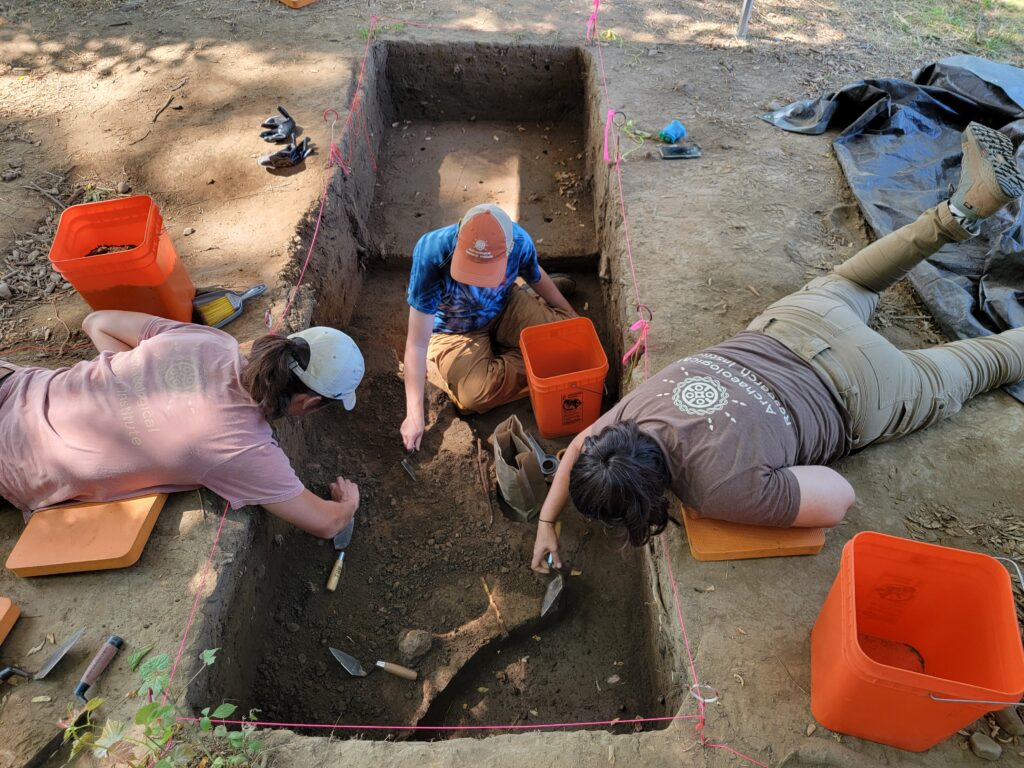
Every community has special places that tell its story. These cultural resources may include historic buildings, archaeological sites, Tribal cultural places, old neighborhoods, bridges, and important landscapes. These places help us understand the people, events, and traditions that shaped our nation. Once they are destroyed, they can never be replaced.
Section 106 of the National Historic Preservation Act (NHPA) of 1966 helps protect these important pieces of our past. The law requires federal agencies to look at how their projects—such as roads, energy projects, and other construction—could affect historic places before work begins. It also gives Tribal Nations, local communities, preservation experts, and the public a chance to share their concerns and help find solutions.
Section 106 does not stop growth or prevent new projects. Instead, the Section 106 process helps communities make better decisions. It allows development to move forward while protecting the places that give our towns and cities their character and meaning. For more than 50 years, this process has helped save important historic buildings, archaeological sites, and cultural places that might otherwise have been lost.
Today, Section 106 faces new challenges. Efforts to speed up federal approval processes and reduce project delays have led to proposals that could limit Section 106 reviews and historic preservation reviews. Many preservation groups, Tribal Nations, archaeologists, and community members worry that important places could be damaged or destroyed before people have a chance to speak up. When a historic site is lost, the stories, knowledge, and connections it holds are lost forever.
At ARI, we are deeply alarmed and profoundly saddened by this possibility. Every day, we work alongside our community to protect the archaeological sites and historic places that tell the stories of those who came before us. Through cultural resource management, we help protect these places and the knowledge they hold. These places are not renewable resources. Once they are destroyed, they—and the knowledge they hold—are gone forever.
Protecting our cultural heritage is not simply about preserving the past; it is about honoring the people who shaped our present and ensuring that future generations inherit a richer understanding of who we are. The power to safeguard these places should remain with the communities who value them, care for them, and recognize that our history belongs to all of us—not just to the present, but to the future as well.
University and School Partnerships
Interested in sending your students to our field school? Contact us today to learn about one of our many opportunities for student learning.